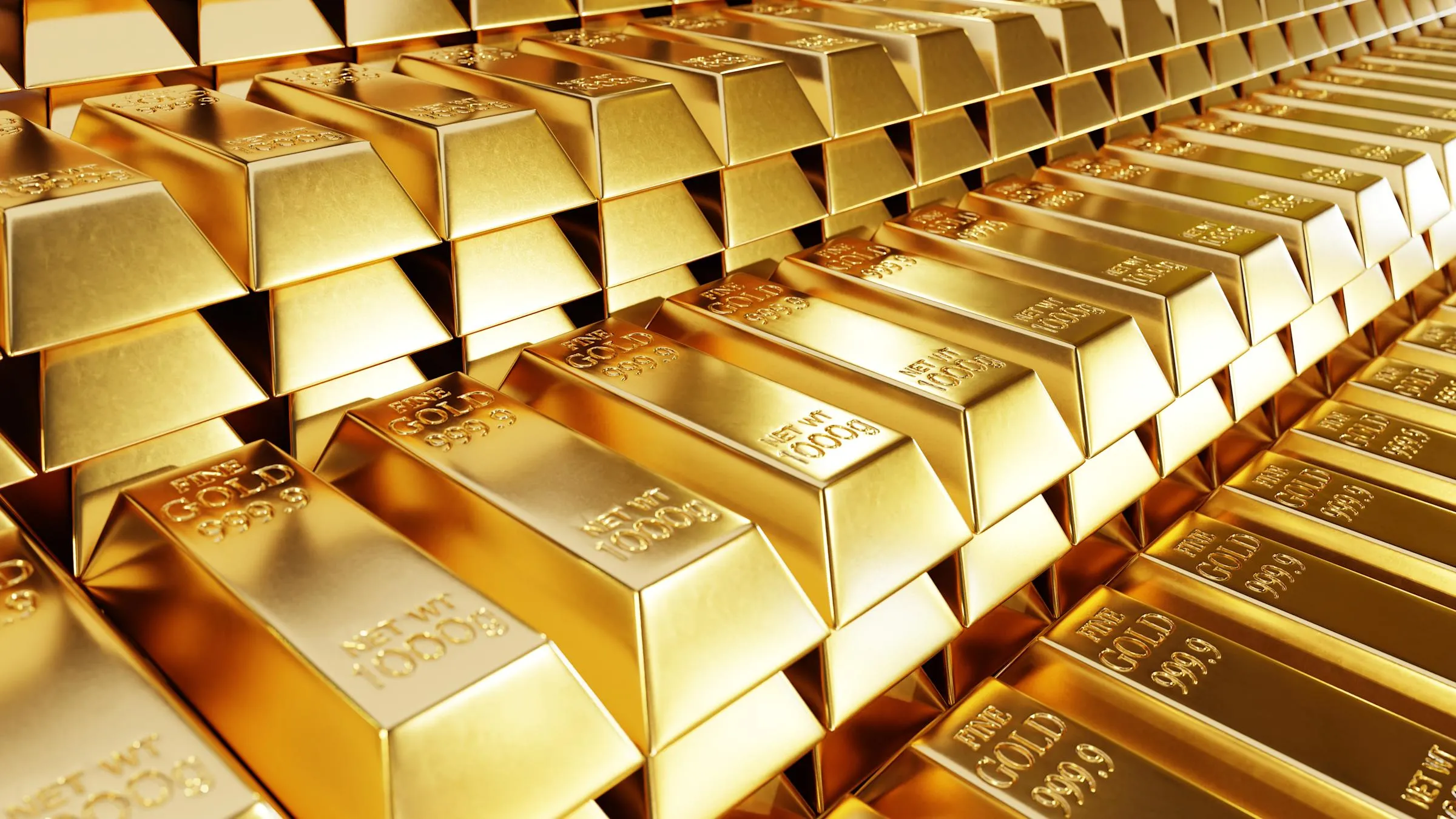
A Pragmatic Guide to Buying Gold, Silver, and Strategic Minerals
After exploring the world of precious metals and strategic mineral investments, I wanted to share a comprehensive guide for anyone considering these tangible assets. Whether you’re looking to diversify your portfolio, hedge against inflation, or simply own physical assets with intrinsic value, this guide breaks down what you need to know.
Understanding the Basics
What Are You Actually Buying?
When purchasing precious metals, you’re buying physical products measured in troy ounces (approximately 31.1035 grams). These typically come in three forms:
- Bars/Ingots: Simple rectangular forms, usually the most cost-effective option
- Coins: Government-minted with legal tender status, often carrying higher premiums
- Rounds: Privately minted, similar to coins but without face value
The Purity Question
For investment-grade metals, look for high purity:
- Gold: 0.999 or 0.9999 (99.9% or 99.99% pure)
- Silver: 0.999 fine silver
- Platinum/Palladium: Similar high-purity standards
Understanding Premiums
You’ll pay the “spot price” (current market price) plus a premium that covers:
- Minting/manufacturing costs
- Distribution and dealer margins
- Product size and type (smaller denominations = higher premiums)
For example, gold bars typically carry 2.5-4% premiums over spot, while collectible coins may have significantly higher markups.
Gold: The Traditional Store of Value
Why Buy Gold?
Gold has served as a store of value for thousands of years. In 2025, gold surged roughly 65%, reaffirming its role as a portfolio diversifier during uncertain economic times.
Popular Gold Products
1 oz Gold Bars
- Most straightforward investment option
- Lower premiums than coins
- Available from recognized mints (PAMP Suisse, Perth Mint, etc.)
- Easy to verify authenticity with serial numbers and assay certificates
Sovereign Gold Coins
- American Gold Eagle
- Canadian Gold Maple Leaf
- Austrian Philharmonic
- British Britannia
These carry slightly higher premiums but offer government backing and wider recognition for resale.
Reputable U.S. Gold Dealers
- APMEX: Large selection, recognized mints
- JM Bullion: Extensive inventory of bars and coins
- SD Bullion: Investment-grade bullion with competitive pricing
- U.S. Gold Bureau: Good for comparison shopping
- Provident Metals: Known as “The People’s Bullion Dealer”
Silver: The Affordable Entry Point
Silver’s Recent Performance
Silver has been a standout performer, driven by surging industrial demand and investor interest. Its dual role as both a precious metal and an industrial commodity has made it one of the most compelling plays in the metals space.
Why Silver?
- Affordability: Much lower price per ounce than gold makes it accessible
- Dual Purpose: Both precious metal and industrial commodity
- Higher Volatility: Can mean greater gains (and greater risk)
- Physical Demand: Used in solar panels, electronics, medical applications
Silver Product Options
American Silver Eagles Most popular silver bullion coin, struck by the U.S. Mint since 1986 in 1 oz weight with 0.999 purity.
Silver Bars
- Available in multiple sizes: 1 oz, 5 oz, 10 oz, kilo, 100 oz
- Larger bars (100 oz) offer lower premiums
- Popular brands: PAMP Suisse Fortuna, SilverTowne Prospector, Sunshine Mint
Silver Rounds
- Privately minted alternatives to coins
- Lower premiums than government coins
- Creative designs and themes
- Fractional sizes available (unlike most coins)
Junk Silver Pre-1965 U.S. coins (90% silver content) offer recognizable, divisible silver at competitive prices.
Trusted Silver Dealers
All the gold dealers above also carry silver, plus:
- Silver Gold Bull: Price matching guarantee
- Money Metals Exchange: Extensive educational resources
- Golden State Mint: Direct-from-mint purchasing
Beyond Gold and Silver: Other Precious Metals
Platinum: The Industrial Precious Metal
Recent Trend: Platinum has climbed to multi-year highs, driven by persistent supply deficits and strong industrial demand.
Key Facts:
- Historically traded above gold (though ratios fluctuate)
- Primary use: automotive catalytic converters (diesel vehicles)
- Also used in jewelry, dentistry, and hydrogen fuel cells
- Current supply deficit expected to continue through 2026
Popular Products:
- 1 oz platinum bars from major refiners
- Canadian Platinum Maple Leaf
- American Platinum Eagle
- Smaller market than gold/silver means less liquidity
Palladium: The Volatile Performer
Recent Trend: Recovered strongly, though lagging behind platinum and silver.
Characteristics:
- Primarily used in gasoline vehicle catalytic converters
- More volatile than other precious metals
- Smaller, less liquid market
- Supply heavily concentrated in Russia and South Africa
Investment Options:
- Physical bars and coins (limited selection)
- American Palladium Eagle (U.S. Mint, sporadic production)
- Canadian Palladium Maple Leaf
- ETFs for easier exposure without physical storage
Note: Palladium is generally considered a short-term, speculative play due to volatility and limited liquidity.
Strategic Minerals: The Future of Technology
What Are Rare Earth Elements (REEs)?
Despite the name, rare earth elements aren’t particularly rare geologically. The “rarity” comes from:
- They’re never found in high concentrations
- Extraction and refinement are technically challenging
- Environmental concerns around mining
- Processing requires separating chemically similar elements
Why They Matter
REEs are essential for:
- Electric Vehicles: Neodymium and praseodymium in powerful magnets for motors
- Wind Turbines: Large permanent magnets
- Consumer Electronics: Smartphones, laptops (neodymium makes phones vibrate)
- Defense Systems: Missile guidance, fighter jets
- Medical Equipment: MRI machines, various scanning technologies
The Geopolitical Angle
- China dominates: ~70% of global mining, ~60% of lithium refining, >40% of copper refining
- U.S. response: Massive push to onshore critical mineral supply chains
- 2025 developments: Export controls, tariffs, and strategic investments accelerating domestic production
Other Strategic Metals
Lithium
- Essential for rechargeable batteries (EVs, laptops, phones, grid storage)
- Thacker Pass mine in Nevada (one of largest U.S. deposits)
- Entering renewed bull phase as markets shift from surplus to potential deficit
Cobalt
- Critical for battery cathodes
- Ethical sourcing concerns (Congo mining practices)
- China controls ~1/3 of global supply
Copper
- Essential for electrical infrastructure
- Clean energy transition driving demand (EVs, charging stations, renewable energy)
- Supply challenges and geopolitical concerns
How to Invest in Strategic Minerals
Unlike gold and silver, strategic minerals don’t have standardized physical investment products. Your options:
1. Mining Company Stocks
U.S.-Based REE Producers:
- MP Materials (MP): Mountain Pass mine (California) - only active REE mine in North America
- Lithium Americas: Thacker Pass lithium project (Nevada)
- USA Rare Earth (USAR): Vertically integrated mine-to-magnet strategy
International Exposure:
- Lynas Rare Earths: Major Australian producer
- Pilbara Minerals: Lithium spodumene concentrate
- Iluka Resources: Rare earth oxide production (Western Australia)
2. Exchange-Traded Funds (ETFs)
Focused REE/Strategic Metals:
- VanEck Rare Earth/Strategic Metals ETF (REMX): Pure-play rare earth exposure
- Sprott Critical Materials ETF (SETM): Uranium, lithium, copper, nickel, silver, cobalt, graphite, REEs
Precious Metals Baskets:
- Aberdeen Precious Metals Basket Fund (GLTR): Tracks gold, silver, platinum, palladium from LBMA pricing
- Sprott Physical Platinum and Palladium Trust (SPPP): Physical bullion backing
3. Futures Contracts
Available for some metals (copper, certain precious metals) but extremely risky:
- High leverage
- Significant learning curve
- Better suited for experienced traders
Practical Buying Considerations
1. Set Clear Goals
Are you:
- Hedging against inflation?
- Diversifying your portfolio?
- Building long-term wealth storage?
- Speculating on price movements?
Your goal determines your strategy.
2. Storage and Security
Physical Metals:
- Home safe (consider insurance)
- Bank safe deposit box
- Professional vault storage (offered by many dealers)
- Security concerns increase with quantity
Digital/Paper Investments:
- Brokerage accounts (stocks, ETFs)
- Counterparty risk considerations
- No physical storage requirements
3. Tax Implications
- Capital Gains: Profits on sale typically subject to capital gains tax
- State Sales Tax: Varies by state and product
- IRA-Eligible Bullion: Some products qualify for precious metals IRAs
- Consult Tax Professional: Rules are complex and vary by jurisdiction
4. Authenticity and Dealer Reputation
Red Flags:
- Prices significantly below market rates
- Pressure tactics or limited-time offers
- Unsolicited phone calls
- Unclear provenance or certification
Green Flags:
- Established reputation (decades in business)
- Transparent pricing close to spot
- Clear return/buyback policies
- Proper authentication (serial numbers, assay certificates)
- Industry memberships (Professional Numismatists Guild, etc.)
5. When to Buy
Dollar-Cost Averaging: Buy consistent amounts over time rather than trying to time the market.
Monitor Spot Prices: Understanding current market prices helps you evaluate premiums and deals.
Consider Market Cycles: Precious metals often perform well during:
- High inflation periods
- Currency devaluation
- Geopolitical uncertainty
- Stock market volatility
The Systematic Approach
Here’s how to approach precious metals investment methodically:
Phase 1: Research and Planning
- Determine your allocation (common range: 5-15% of portfolio)
- Choose your metals (gold for stability, silver for growth potential, etc.)
- Select product types (bars vs. coins, physical vs. paper)
- Identify reputable dealers
Phase 2: Execution
- Compare current premiums across dealers
- Start with smaller purchases to learn the process
- Verify everything: weight, purity, packaging, documentation
- Secure proper storage before buying significant quantities
Phase 3: Monitoring and Management
- Track spot prices (many dealers offer price alerts)
- Keep detailed records (purchase price, date, dealer, specifications)
- Store documentation securely (assay certificates, receipts)
- Review allocation quarterly, rebalance as needed
Phase 4: Exit Strategy
- Know buyback policies before purchasing
- Understand tax implications of selling
- Consider selling channels: dealer buyback, online marketplaces, local shops
- Maintain product quality (keep in original packaging when possible)
Strategic Minerals: A Different Approach
For strategic minerals and rare earths, the approach differs since you’re primarily investing in companies rather than physical commodities:
Diversification Strategy
- Core Holding: Broad ETF like REMX or SETM (60-70% of strategic metals allocation)
- Satellite Positions: Individual stocks in companies with strong fundamentals (30-40%)
- Geographic Diversity: Mix U.S., Canadian, and Australian exposure
- Metal Diversity: Don’t concentrate entirely in one mineral
Due Diligence for Mining Stocks
- Production Status: Producing mine > advanced development > early exploration
- Government Support: U.S. Defense Department partnerships, federal funding
- Offtake Agreements: Long-term contracts for production
- Cash Position: Mining is capital intensive
- Jurisdictional Risk: Political stability of mining locations
Current Market Context (March 2026)
Precious Metals
As of March 27, 2026:
- Gold: $4,493/oz
- Silver: $69.62/oz
- Platinum: $1,863/oz
- Palladium: $1,363/oz
All four major precious metals posted significant gains in 2025, driven by:
- Geopolitical uncertainty and trade tensions
- Persistent inflation concerns
- Record central bank gold purchases
- Growing industrial demand (particularly silver in solar and electronics)
Strategic Minerals
- U.S. government heavily investing in domestic production
- China export controls creating supply concerns
- EV transition driving lithium and REE demand
- Defense applications prioritizing domestic sourcing
Common Mistakes to Avoid
- Paying Excessive Premiums: Know spot prices and typical premiums for your product
- Ignoring Storage Costs: Factor in safe, insurance, or vault fees
- Over-Concentrating: Don’t put all assets in one metal or one form
- Buying Without Exit Plan: Know how you’ll sell before you buy
- Falling for Numismatic Markups: Unless collecting, avoid paying for “rarity” in modern bullion
- Trusting Unsolicited Offers: Reputable dealers don’t cold-call
- Neglecting Insurance: Significant holdings need proper coverage
- Emotional Trading: Precious metals are long-term hedges, not day-trading vehicles
Final Thoughts
Precious metals and strategic minerals offer tangible assets with intrinsic value, serving as portfolio diversifiers and inflation hedges. The key is approaching them systematically:
- Start small to learn the process
- Buy from reputable dealers with transparent pricing
- Understand what you’re buying (weight, purity, premiums)
- Secure proper storage before accumulating significant quantities
- Keep detailed records for tax and resale purposes
- Think long-term rather than trying to time short-term price movements
For strategic minerals, remember you’re investing in companies and geopolitical trends rather than physical commodities. The fundamentals are strong (electrification, national security, supply chain resilience), but individual companies carry operational risks.
Whether you’re stacking silver eagles, accumulating gold bars, or investing in rare earth miners, the principle remains: understand your goals, do your research, and build positions systematically over time.
The physical weight of a gold bar in your hand is remarkably different from the abstract numbers in a brokerage account. There’s something fundamentally satisfying about owning tangible assets—just make sure you’ve thought through the practical implications before you start building your stack.
Disclaimer: This is educational content, not financial advice. Consult with qualified financial and tax professionals before making investment decisions. Past performance doesn’t guarantee future results.
| Share this post |
|
|